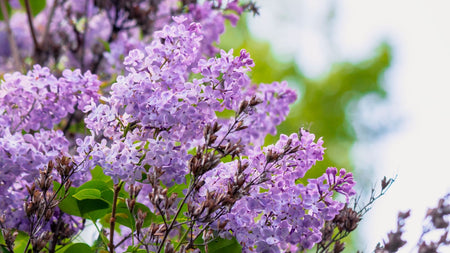
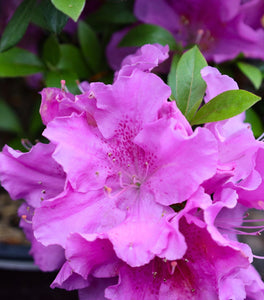
Images Depict Mature Plants
Lilac Miss Kim
Syringa pubescens subsp. patula 'Miss Kim'
Miss Kim Lilac is one of those flowering shrubs that gives you the classic lilac experience in a size that works for real-world landscapes. The fragrance is outstanding, the spring bloom show feels elegant rather than overwhelming, and the compact habit makes it easy to use near patios, walkways, and foundation beds. Add in the deer resistance and burgundy fall color, and this is a smart choice for gardeners who want a shrub that earns its spot long after bloom season passes.

15% OFF WITH CODE PLANTING15
Save 15% Off Your Entire Order! Limited time.
📦 Free shipping on orders over $99.
Delay shipping by leaving us a message at Checkout.
Share:


Fragrant Spring Color in a More Refined Lilac
A Compact Lilac with Big Seasonal Appeal
Miss Kim Lilac delivers the romance of traditional lilacs in a size that feels far easier to work into modern landscapes. This compact deciduous shrub is known for its fragrant lavender-purple to icy lilac blooms, upright, rounded habit, and polished look that fits beautifully into foundation beds, mixed borders, and smaller garden spaces.
For homeowners who want the charm of an old-fashioned lilac without the bulk of a larger, sprawling shrub, Miss Kim is an easy upgrade. It brings the same beloved spring perfume, but with a tidier silhouette and a more versatile footprint.
Fragrance That Belongs Near Daily Living Spaces
One of the best reasons to plant Miss Kim Lilac is the fragrance. The bloom clusters carry that unmistakable sweet lilac scent, making this an excellent choice near patios, front walks, entry gardens, mailbox plantings, and outdoor sitting areas where the perfume can be appreciated up close.
This is the kind of shrub that turns a simple spring evening into an experience. A single shrub can soften a space with scent and color, while a grouping can create a memorable seasonal moment that feels established, welcoming, and full of life.
Built for Small Landscapes and Clean Garden Design
Miss Kim Lilac matures into a compact, rounded shrub that works well where space is at a premium. It is ideal for foundation plantings, cottage garden borders, low informal screening, and mixed shrub beds where you want height and structure without overwhelming nearby perennials or windows.
Its manageable size also makes it easier to maintain a layered landscape design. Whether you are building around evergreens, softening a fence line, or adding a flowering anchor to a sunny planting bed, Miss Kim brings balance and restraint while still offering a strong spring show.
Multi-Season Beauty Beyond Bloom Time
This shrub earns its place even after flowering ends. Deep green summer foliage keeps the plant looking fresh and full, and in fall, the leaves often take on rich burgundy to wine-red tones, adding another layer of ornamental interest before winter dormancy.
That extended season of beauty helps Miss Kim feel like more than a one-moment bloomer. It gives gardeners a flowering shrub that contributes to the overall design from spring through fall, making it a more valuable choice than plants that fade visually after flowering.
Cold Hardy, Deer Resistant, and Easy to Grow
Miss Kim Lilac is a strong performer for gardeners who want beauty without high-maintenance demands. It thrives in full sun, appreciates well-drained soil, and is valued for good cold hardiness and dependable flowering. It is also considered deer resistant, which makes it especially useful in landscapes where browsing pressure limits planting options.
For homeowners looking for a fragrant flowering shrub that feels dependable, polished, and practical, Miss Kim checks all the right boxes. It offers the character of a classic lilac with the easier scale and stronger landscape flexibility that today’s gardens often need.
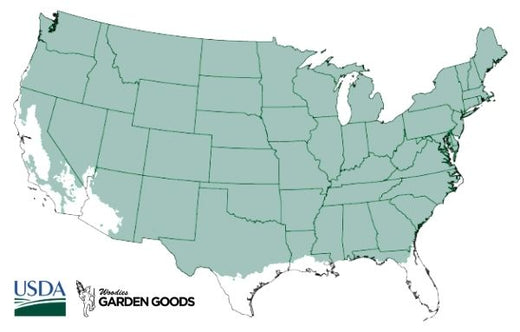
| Hardiness Zone: | 3-8 |
|---|---|
| Mature Height: | 5 to 7 feet |
| Mature Width: | 5 to 7 feet |
| Sunlight: | Full Sun |
| Bloom Time / Color | Mid to late spring; fragrant lavender-lilac flowers |
| Soil Condition: | Well-drained soil; tolerates average garden soils |
| Water Requirements: | Moderate; water regularly during establishment |
| Ornamental Features | Fragrant blooms, compact rounded habit, dark green foliage, burgundy fall color |
| Wildlife Value | Attracts pollinators such as bees and butterflies |
| Resistance (deer/disease/drought/etc.) | Deer resistant; good cold hardiness; generally low-maintenance once established |
| Landscape Uses | Foundation plantings, mixed borders, cottage gardens, pollinator gardens, patio-adjacent beds, informal hedges |
How to Care for Lilac Miss Kim
Be sure to read our planting instructions to ensure a healthy and happy Miss Kim Lilac plant for years to come!
-v1746536467143.png?92x91)
How should I plant Miss Kim Lilac?
Plant Miss Kim Lilac in a location that receives at least six hours of direct sun each day. The more sun it receives, the better the flowering will be. Choose a site with well-drained soil, since lilacs do not like to sit in soggy ground. Dig a hole about twice as wide as the root ball and no deeper than the root ball itself, then set the shrub so the top of the root ball sits level with the surrounding soil. Backfill with the native soil, water deeply, and finish with a light layer of mulch to help conserve moisture and reduce weed competition. Keep the mulch a few inches away from the stems. When spacing multiple plants, leave enough room for mature airflow and form, especially if you are using Miss Kim Lilac in a hedge or mixed shrub border.
-v1746536493872.png?89x84)
How often should I water Miss Kim Lilac after planting?
Water Miss Kim Lilac deeply right after planting, then continue watering regularly during the first growing season while the roots establish. In most landscapes, that means a deep soaking about once or twice per week, depending on rainfall, temperature, and soil type. The goal is evenly moist soil, not constantly wet soil. Once established, Miss Kim Lilac is much easier to manage and usually only needs supplemental watering during extended dry periods. Deep watering is better than frequent shallow watering because it encourages stronger root development and helps the shrub become more resilient in summer heat.
-v1746536516236.png?90x89)
When should I fertilize Miss Kim Lilac?
Fertilize Miss Kim Lilac in early spring as new growth begins if your soil is average to lean. A balanced slow-release fertilizer formulated for flowering shrubs is usually a good fit. You can also top-dress with compost to improve soil texture and gently feed the plant over time. Avoid heavy nitrogen feeding, which can push lush leafy growth at the expense of flowers. In many home landscapes, Miss Kim Lilac does not need aggressive fertilizing to perform well. Too much fertilizer can reduce blooming, so a lighter approach is usually the better one.

When and how should I prune Miss Kim Lilac?
Prune Miss Kim Lilac shortly after it finishes blooming in late spring. Like many lilacs, it flowers on old wood, which means pruning too late in summer, fall, or winter can remove next year’s flower buds. Start by removing spent blooms and any dead, damaged, or crossing branches. If the shrub ever needs rejuvenation, remove a few of the oldest stems at the base over time rather than shearing the entire plant into shape. This preserves the natural form and helps maintain healthy flowering wood. Routine pruning is usually light, since Miss Kim naturally keeps a neat, compact habit.