

Houseplant Care Products
Tools and treatments that keep indoor plants thriving year-round
Houseplants don’t usually fail overnight—they drift off course: soil stays too wet, light shifts with the seasons, leaves get dusty, and a small pest problem quietly becomes a bigger one. This collection is built for those real-life moments, with practical categories that cover the basics (soil and amendments, pest and disease control, food and fertilizers, and houseplant accessories). It’s the kind of shelf you reach for when you’re repotting a plant that’s outgrown its pot, boosting growth during active months, or stepping in quickly when you spot sticky residue, speckling, or webbing on leaves.
The best part is that good plant care products don’t replace good habits—they reinforce them. Pair a well-draining mix with a pot with drainage holes, and feed sensibly (most houseplants are fertilized primarily during spring and summer), and you can prevent a lot of “mystery decline” before it starts. When pests do show up, extension guidance commonly starts with the gentler options—like horticultural oils, neem-based products, or insecticidal soaps—used carefully and according to label directions. And because households differ, safety matters: store insecticides and fertilizers well out of reach of pets and kids, and choose your approach with confidence under the We Grow Together Promise.
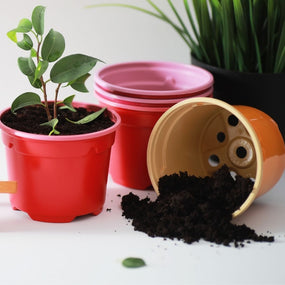
Soil & Amendments
7 products
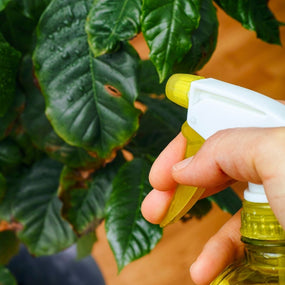
Pest & Disease Control
8 products
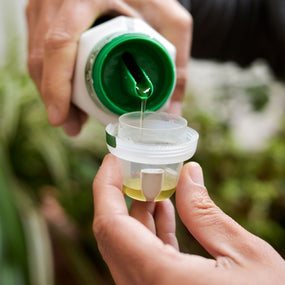
Food & Fertilizers
20 products
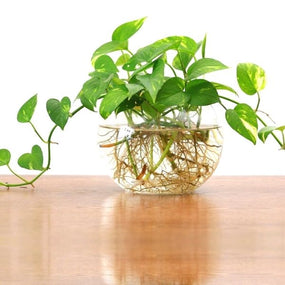
Houseplant Accessories
12 products
Fix problems fast and keep growth on track.
The fastest way to become “good with houseplants” is to remove friction: have the right potting mix ready when roots get crowded, a reliable fertilizer for the growing season, and a targeted solution when pests or disease pop up. This collection is organized around those needs, with clear product groupings like soil and amendments, pest and disease control, and fertilizers—so you can solve the problem in front of you without guessing what aisle to be in.
Indoor plants live in a smaller, more controlled world than outdoor gardens, which means small issues can compound quickly. Over time, potting mixes break down and hold more water, which can lead to waterlogged conditions and root stress—one reason repotting into fresh media is such a common “reset” for tired plants. Disease prevention also starts with basics: using clean pots, fresh or pasteurized media, and spacing plants so air can move around foliage can reduce the odds of leaf spots and other indoor issues.
Pests are part of the indoor plant reality, especially in winter when homes are drier, and plants are stressed by lower light. Common culprits include mealybugs, scale, spider mites, thrips, and whiteflies; the key is to catch them early and choose a control method that fits the pest and the plant. Extension guidance often lists oils, neem products, and insecticidal soaps among the options that can help in the right situations, alongside stronger measures when needed—always with label-first use and good ventilation practices.
And don’t underestimate “simple tools” as problem-solvers. A clean-leaf routine can improve light capture, and a smart watering rhythm prevents many issues that look like pests or disease but are actually moisture-related. In other words, the right products help, but they work best when they’re supporting fundamentals you can repeat week after week.
Stock the essentials you’ll reach for all year.
A strong houseplant care kit usually includes four pillars: a high-quality potting mix, a reliable fertilizer, a targeted insect-control option, and a couple of accessories that make routine care easier. On the collection page, examples include an all-purpose fertilizer, a ready-to-use houseplant insect spray, an organic potting mix, and a leaf shine/moisture-guard style product—plus additional soils, pest/disease controls, and feeding options grouped by use.
Potting mix is the foundation because it influences everything else—drainage, aeration, and how forgiving your watering schedule feels. Repotting guidance from extensions consistently emphasizes using containers with drainage holes and cautions against “drainage layers” of rocks, which can actually hinder water movement in pots. If you’re troubleshooting yellow leaves, slow growth, or a plant that dries too fast, upgrading the mix (and right-sizing the pot) is often more effective than changing five other variables.
Fertilizers are the second pillar, and timing matters more than intensity. Several extension resources recommend concentrating fertilizing during active growth—commonly spring through early fall—and using diluted liquid feeds to avoid salt buildup and leggy growth. Practically, this means feeding more consistently during brighter months, then easing off in winter when many plants slow down, unless you’re caring for something actively flowering or growing under strong supplemental light.
Accessories can be the difference between “I meant to care for it” and “it actually happened.” Tools that support good habits—like keeping leaves clean, keeping soil surfaces tidy, and making repotting less messy—pay off in healthier plants. One important caution: some extension guidance recommends avoiding leaf-shine products in general and instead cleaning leaves with a damp cloth, so if shine products are used, it’s smart to be selective and prioritize plant health over gloss.
Use them where light, airflow, and mess-control matter.
Indoor plant care is mostly about placement: light level, temperature stability, and airflow shape how often you water, how fast plants grow, and how likely pests are to appear. Many common houseplants prefer bright, indirect light, and when light drops (winter windows, deeper rooms), so does water need. Setting up care products and supplies in the same space where you water and inspect plants makes consistency easier—and consistency is what prevents the “sudden decline” feeling.
Spacing is a real tool, not a styling afterthought. When plants are crowded leaf-to-leaf, foliage dries slowly, and pests can spread faster; when you leave breathing room, you improve airflow and make regular inspection simpler. If you’re treating for pests or disease, that spacing becomes even more valuable—isolating a plant for treatment and keeping it separated for a bit can protect the rest of your collection.
Repotting is another “where it happens” decision. Extensions recommend choosing a pot only slightly larger than the current one (often 1–2 inches wider) and ensuring drainage, because oversized pots hold excess moisture longer. Having potting mix and repotting supplies ready turns an intimidating job into a quick refresh that supports healthier roots, steadier growth, and better resilience when conditions fluctuate.
Finally, think about safe-use zones—especially for sprays and concentrated fertilizers. Apply treatments in a ventilated area, avoid drift onto furniture, and store products securely. This is particularly important for pet households: household toxicants and insecticides are consistently flagged as risks when animals get into containers, so storage and careful application are part of “good plant care,” too.
Keep routines simple and feel confident.
Start with the two routines that prevent most problems: water by soil feel and fertilize by season. Many houseplants do best when you let the potting mix partially dry between waterings, and repotting guidance underscores why drainage holes matter—excess water must escape to prevent waterlogged media. For feeding, multiple extensions recommend fertilizing primarily during spring and summer, often with diluted liquid fertilizer, and backing off when growth slows to avoid salt buildup and weak, stretched growth.
Pruning and “cleanup” are your low-effort upgrades. Indoors, pruning is often about removing dead or damaged growth and shaping for fullness, with the easiest timing being when plants are actively growing and can rebound quickly. Disease-prevention guidance also emphasizes sanitation—cleaning and disinfecting pots between uses and using clean media—because indoor disease problems are easier to prevent than to reverse.
When pests show up, treat the plant and the conditions that support them. Extension resources commonly recommend cultural steps first (cleaning plants, removing dead material, improving airflow) and then choosing an appropriate control option; oils, neem-based products, and insecticidal soaps are frequently discussed for certain indoor pests, with label directions and repeat applications often required. If you use stronger controls, be mindful of tradeoffs; for example, some systemic options are noted as highly effective but can have non-target impacts in other contexts, which is one reason many growers start with gentler, targeted methods.