
Pet-Safe Houseplants
Non-Toxic Indoor Plants You Can Enjoy Without Worrying About Curious Pets
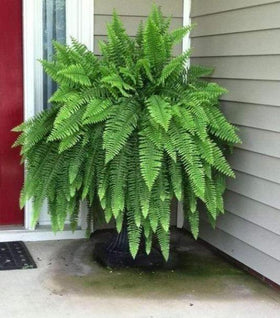
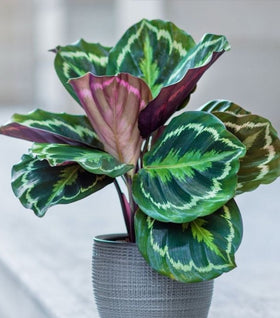
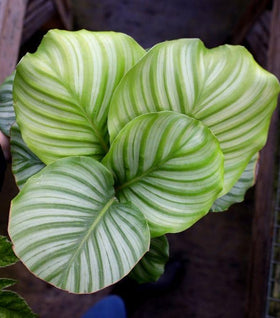
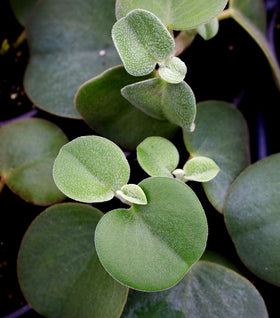
If you love houseplants but live with a curious cat or a “taste-test first” dog, you don’t have to choose between a beautiful home and peace of mind. Pet-safe houseplants allow you to decorate with living color—patterned foliage, lush texture, and tropical vibes—while staying focused on non-toxic options that are widely recognized as safer for pets. Garden Goods Direct built this collection specifically for that moment when you’re ready to buy plants again, but you want to do it responsibly. Think favorites like Calathea and many Peperomia types—popular indoor plants that the ASPCA lists as non-toxic to cats and dogs.
Shopping is only half the win—the setup matters, too. We don’t just ship plants fast; we help you keep them thriving in a pet household. Use tall, sturdy plant stands, high window ledges, or hanging baskets, and consider topping soil with decorative gravel to discourage digging. And because even “non-toxic” plants can still cause mild stomach upset if overeaten, smart placement is always part of the plan. If you ever suspect ingestion of a potentially harmful plant, the ASPCA Poison Control hotline is available 24/7. With expert guidance and the We Grow Together Promise, your indoor jungle can be both stylish and pet-conscious.

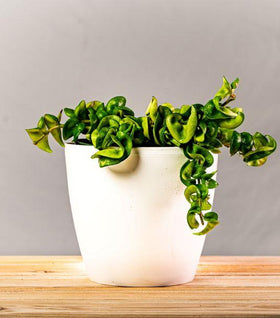
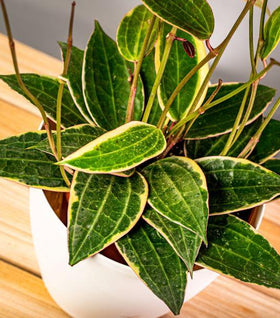
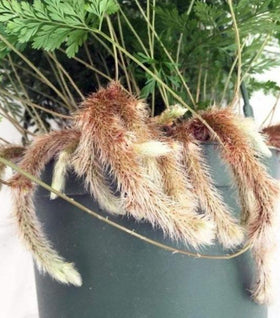
Hoya Macrophylla Variegata
As Low As $36.95
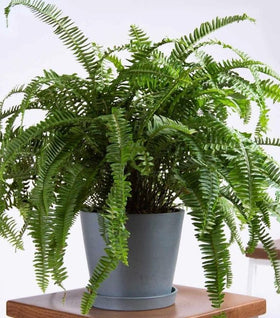
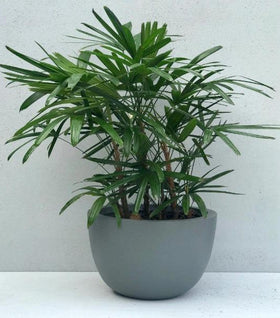
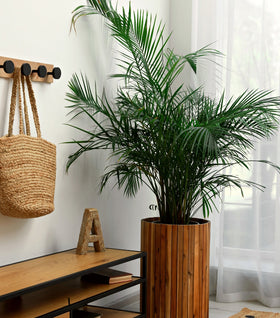


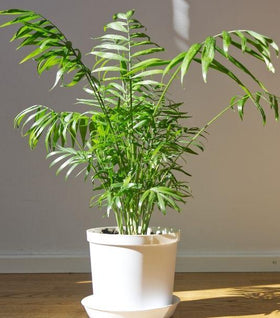
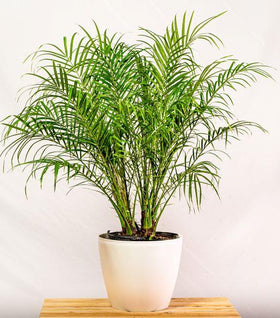
Parlor Palm (Chamaedorea elegans)
As Low As $11.95


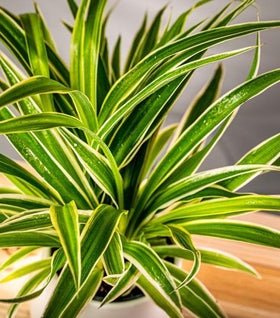

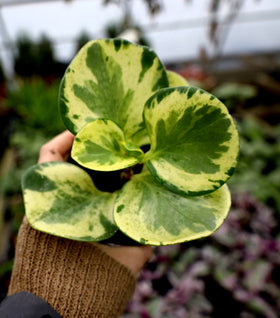
Shop pet-safe houseplants with confidence.
This collection exists for one simple reason: pet owners want beautiful indoor plants without the constant second-guessing. GGD’s Pet-Safe Plants page is intentionally framed around the “best of both worlds” promise—enjoy houseplants while keeping your home safer for pets. If you’ve been searching for non-toxic plants for cats and dogs, the biggest value here is confidence at checkout: a curated assortment designed around pet households.
Just as important, this collection reduces the “oops” factor. Many popular indoor plants are irritating or toxic if chewed (and social coverage on toxic houseplants is a constant reminder). Choosing from a pet-safe collection helps customers avoid the most common mistakes—especially gift buyers and first-time plant parents who aren’t thinking about toxicity until it’s too late. For high-stakes clarity, the ASPCA’s Toxic and Non-Toxic Plants database is a reliable reference point.
And it’s not only about safety—it’s about convenience. When you buy pet-safe houseplants online, you want the plants to arrive quickly, look great immediately, and fit real indoor conditions. This collection is built to support that: practical care expectations, approachable choices, and an experience that feels calm and trustworthy from “add to cart” to “set it on the shelf.”
Bring home safe beauty and bold foliage.
Pet-safe doesn’t mean boring. Many non-toxic indoor plants are chosen for standout foliage—striping, mottling, rich greens, and texture that makes a room feel finished. Calatheas are a perfect example: showy, patterned leaves, “prayer plant” personality, and the ASPCA lists Calathea spp. as non-toxic to cats and dogs. Spider plants are another classic, and they’re also listed as non-toxic to cats and dogs.
This matters for how customers shop. A pet household often wants plants that deliver a strong visual payoff without requiring complicated routines or risky placement. The best pet-safe houseplants tend to fit common indoor-light scenarios (bright indirect, medium light, even some lower-light corners depending on plant choice) and can be styled in clusters—shelves, plant stands, entry tables—where pets are less likely to “investigate.”
Place them anywhere pets roam.
A pet-safe plant still benefits from a pet-smart setup. GGD calls out simple, effective strategies: use tall, sturdy plant stands; place plants on high window ledges or cabinets; and mount hanging baskets to keep foliage out of reach. These aren’t just safety tips—they’re design tips, too. Elevated styling looks intentional and helps plants get better light and airflow.
If your pet’s favorite hobby is digging, solve it at the pot. GGD specifically suggests topping soil with decorative gravel, which can deter digging while keeping the display attractive. (This also helps reduce splashed soil during watering.) For households with heavy chewers, consider creating a “plant room” or a no-pet zone, which GGD also recommends as a straightforward separation strategy.
When it comes to shopping, this section is where you can speak directly to the real-life use cases: apartments, living rooms, home offices, and bedrooms—spaces where plants belong and pets naturally spend time. The goal is to help customers purchase pet-friendly indoor plants and feel like the plan is complete: plant choice + placement strategy + basic care = a safer, happier home.
Keep it simple with care that actually works.
Great pet-safe houseplants thrive on the same fundamentals as any good indoor plant: the right light, consistent (not excessive) watering, and a potting setup that drains well. The difference lies in household reality—people want plants that don’t require constant adjustment, because the home already has moving parts (pets included). That’s why it helps to choose proven, widely recognized non-toxic groups—like Calathea and many Peperomia types that the ASPCA lists as non-toxic to cats and dogs.
A practical, pet-aware care rhythm looks like this: water only when the top layer of soil begins to dry, keep plants away from drafty vents (pets tend to hang there too), and use stable containers that won’t tip easily. If you’re using decorative gravel as a digging deterrent, keep it rinsed and clean, and avoid burying the plant's crown.
Finally, a responsible note you can stand behind: even non-toxic plants can still cause mild GI upset if a pet eats enough foliage, so placement and supervision still matter. And if you ever suspect a true poisoning or concerning symptoms, the ASPCA Poison Control hotline is available 24/7 at (888) 426-4435. That’s real peace of mind—paired with fast shipping, expert support, and the We Grow Together Promise.