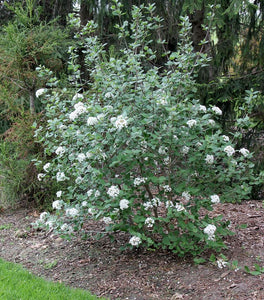
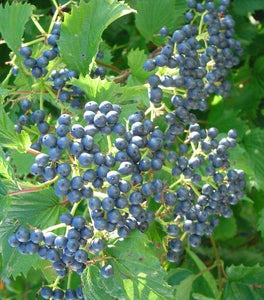
Images Depict Mature Plants
Chicago Lustre® Viburnum
Viburnum dentatum ‘Synnestvedt'
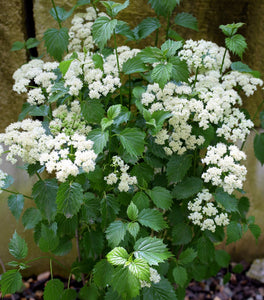
Chicago Lustre® Viburnum is one of those shrubs that can do a lot of work in the landscape without looking like a utility plant. I like it because its dense, upright habit makes it excellent for screening and privacy, and you also get creamy white flowers, glossy foliage, blue-black berries, and real fall color. For homeowners looking for a native hedge shrub, a bird-friendly screening plant, or a larger deciduous shrub that still feels attractive and polished, this is a really strong choice.

15% OFF WITH CODE PLANTING15
Save 15% Off Your Entire Order! Limited time.
📦 Free shipping on orders over $99.
Delay shipping by leaving us a message at Checkout.
Share:

A Native Viburnum With Glossy Foliage, Wildlife Value, And Four-Season Appeal
A Dense Native Shrub That Makes Privacy Planting Easy
Chicago Lustre® Viburnum is the kind of shrub that solves several landscape needs at once. Its upright habit and dense branching make it especially useful for privacy hedges, screening, and naturalized property borders where homeowners want structure without the stiffness of a formal evergreen wall. It grows with enough substance to create a meaningful visual barrier, but it still feels natural and landscape-friendly.
Because this is a cultivar of native arrowwood viburnum, it also brings the adaptability and resilience gardeners often want in a larger deciduous shrub. It fits just as comfortably in a mixed native planting as it does in a more polished foundation or boundary design. For homeowners looking for a native privacy shrub with a softer, more seasonal feel, Chicago Lustre® is a smart choice.
Glossy Green Foliage And Creamy White Summer Flowers
One of the standout features of Chicago Lustre® Viburnum is its attractive foliage. The leaves are deep green, glossy, and leathery, which gives the shrub a cleaner, richer look than many more ordinary deciduous screening plants. That foliage helps the plant read as full and healthy from spring through summer, even when it is not in bloom.
In early summer, clusters of creamy white flowers appear across the shrub, adding another layer of ornamental value. These blooms attract bees and butterflies, making the plant useful in pollinator-friendly landscapes and privacy plantings. The flower display is soft and refined rather than flashy, which helps the shrub blend easily into both formal and naturalistic gardens.
Blue-Black Berries And Fall Color Add Seasonal Interest
Chicago Lustre® Viburnum keeps earning its place in the landscape after flowering ends. By late summer, blue-black berries begin to form, adding contrast against the glossy green foliage and increasing the shrub’s value for birds and other wildlife. In the right planting design, the fruit can make the plant feel even more alive and ecologically useful.
As the season shifts into fall, the foliage turns shades of yellow to red-purple, giving the shrub another strong ornamental moment before leaf drop. That sequence of flower, fruit, and fall color gives it a real four-season character. For homeowners looking for a deciduous shrub that does more than simply fill space, Chicago Lustre® offers a lot of return.
Low Maintenance And Useful In Many Landscape Styles
Chicago Lustre® Viburnum is easy to work into many different garden settings because it adapts well to full sun or partial shade and handles a variety of soil types, including clay, loam, and sandy soils. Once established, it also becomes drought-tolerant and deer-resistant, which makes it a practical choice for lower-maintenance landscapes and more challenging sites.
This versatility is a big part of its value. It can be used as a hedge, screen, specimen, backdrop, or mass planting, depending on the property's needs. For homeowners who want a native shrub with strong structure, wildlife value, and broad adaptability, Chicago Lustre® Viburnum is a dependable and rewarding choice.
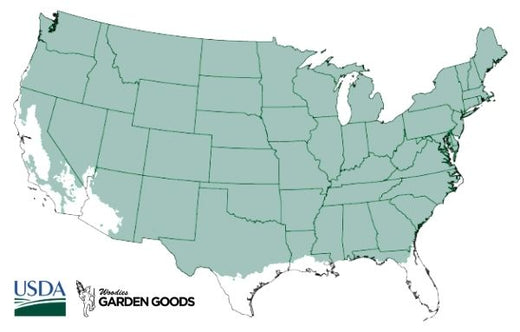
| Hardiness Zone: | 3-8 |
|---|---|
| Mature Height: | 6 to 10 feet |
| Mature Width: | 6 to 10 feet |
| Sunlight: | Full sun to partial shade |
| Bloom Time / Color | Early summer; creamy white flower clusters |
| Soil Condition: | Any well-drained soil; adaptable to clay, loam, and sandy soils |
| Water Requirements: | Water well until established; drought tolerant once mature |
| Wildlife Value | Attracts pollinators and birds; berries support wildlife |
| Resistance (deer/disease/drought/etc.) | Deer resistant and drought tolerant once established |
| Landscape Uses | Privacy hedge, screen, mixed border, specimen, mass planting, naturalized border |
How to Care for Chicago Lustre® Viburnum
Be sure to read our planting instructions to ensure a healthy and happy Chicago Lustre® Viburnum for years to come!
-v1744735140794.png?92x91)
How should I plant Chicago Lustre® Viburnum?
Plant Chicago Lustre® Viburnum in a location with full sun to partial shade and enough room for the shrub to reach its mature size. It adapts well to clay, loam, and sandy soils as long as the site drains well. Because it can mature into a large, dense shrub, it is especially useful for hedges, screens, and naturalized borders where broader growth is welcome. Dig a hole twice as wide and just as deep as the root ball. Loosen the roots gently before planting, set the shrub with the top of the root ball level with the surrounding soil, then backfill with native soil and water thoroughly. Finish with a 2- to 3-inch mulch layer around the base, keeping mulch a few inches away from the main stem.
-v1744735152738.png?89x84)
How often should I water Chicago Lustre® Viburnum after planting?
During the first growing season, water Chicago Lustre® Viburnum deeply about 1 to 2 times per week, especially during hot or dry weather. Deep watering encourages roots to grow downward, improving the plant’s long-term drought tolerance and overall stability. Once established, it usually needs only occasional supplemental watering during extended dry periods. A good rule is to check the top 2 to 3 inches of soil and water when that layer feels dry. Mulch also helps reduce watering frequency by keeping moisture more consistent around the roots.
-v1744735163324.png?90x89)
When should I fertilize Chicago Lustre® Viburnum?
Fertilize Chicago Lustre® Viburnum in early spring with a balanced slow-release fertilizer. One application is usually enough to support healthy growth, strong foliage, and good flowering through the season. If you prefer an organic approach, compost, aged manure, or other gentle soil-building amendments can also work well. Avoid over-fertilizing, as excessive feeding can promote leafy growth at the expense of flowers and berries.

When and how should I prune Chicago Lustre® Viburnum?
Chicago Lustre® Viburnum is commonly listed with pruning after flowering, and light shaping in summer works well for keeping hedges or screens tidy. For structural cleanup, remove dead, damaged, or crossing branches and preserve the plant’s natural upright form. If you are using it as a hedge, light shearing of the outer edges can help maintain a cleaner silhouette. Avoid heavy fall pruning, since that can encourage tender new growth that may be damaged by frost.