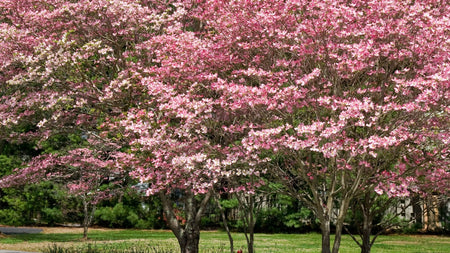
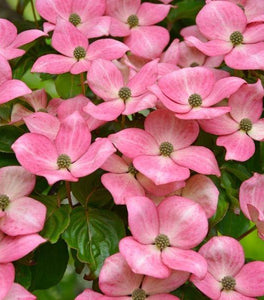
Images Depict Mature Plants
Cherokee Princess Dogwood
Cornus florida 'Cherokee Princess'
Cherokee Princess Dogwood is one of those classic native flowering trees that never feels overused because it simply works in so many home landscapes. The white spring bloom is clean and elegant, the branching habit is beautiful even when the tree is not in flower, and the red berries plus fall color give it real staying power through the seasons. For homeowners looking for a dogwood tree for part shade, a native specimen tree, or a white-flowering ornamental that adds wildlife value, this is a smart and dependable choice when planted in the right spot.

15% OFF WITH CODE PLANTING15
Save 15% Off Your Entire Order! Limited time.
📦 Free shipping on orders over $99.
Delay shipping by leaving us a message at Checkout.
Share:


A Native White-Flowering Dogwood With Four-Season Beauty
Big White Spring Blooms That Instantly Brighten The Landscape
Cherokee Princess Dogwood is the kind of flowering tree that makes a front yard or garden border feel established, graceful, and unmistakably seasonal. In spring, its large white bracts appear in abundance and create the classic dogwood look so many homeowners want near entryways, patios, woodland edges, and foundation beds. The branching habit gives the blooms a layered presentation, so the tree looks elegant rather than overly formal.
Because this is a cultivar of native flowering dogwood, it offers the familiar beauty of Cornus florida with strong ornamental appeal in a size that works well in many home landscapes. It reads as refined and natural at the same time, which makes it especially useful when you want a flowering specimen that feels timeless. For homeowners trying to add a true spring focal point without committing to a very large tree, Cherokee Princess is a smart fit.
A Four-Season Ornamental Tree With Lasting Garden Interest
The spring display is what most people find most interesting, but Cherokee Princess Dogwood keeps performing well beyond bloom season. In summer, the deep green foliage adds a calm, clean look that softens mixed plantings and helps anchor more colorful shrubs and perennials around it. Later in the season, red berries add another ornamental layer while also increasing the tree’s value to birds and backyard wildlife.
Fall is another strong season for this tree, with foliage that can shift to rich reds and rusts. Even after leaf drop, the horizontal branching structure helps the tree maintain presence in the landscape. That means Cherokee Princess is not just a brief spring showpiece. It is a true four-season ornamental choice for gardeners who want bloom, structure, habitat value, and seasonal color from a single native tree.
An Ideal Fit For Woodland Edges, Foundation Views, And Specimen Planting
Cherokee Princess Dogwood is especially effective where you can give it room to be admired without overwhelming the rest of the planting. It works beautifully as a specimen in a lawn island, near a front walk, along the edge of a woodland garden, or as a transition tree between taller canopy trees and lower shrubs. Its mature size makes it easy to place in residential landscapes where larger shade trees would feel too heavy or crowded.
This tree is also a strong option for layered planting plans. It pairs naturally with evergreen shrubs, shade-loving perennials, and other native plants, helping create a landscape that feels settled and regionally appropriate. Because it performs best in well-drained soil with some protection from harsh afternoon sun in warmer areas, it is especially well-suited to morning-sun locations and lightly shaded garden rooms where many flowering trees struggle to look their best.
A Native Ornamental Tree That Rewards Good Placement And Simple Care
Once established, Cherokee Princess Dogwood is a rewarding tree for homeowners who want beauty without a high-maintenance routine. It benefits from evenly moist, well-drained soil and a mulch ring that helps keep roots cooler and reduces turf competition. In return, it offers reliable seasonal beauty and a naturally attractive form that usually requires only light corrective pruning rather than constant shaping.
Like other flowering dogwoods, it is happiest when planting conditions are right from the start. Good drainage, proper spacing, and avoidance of extreme site stress go a long way toward long-term success. In warmer zones, afternoon shade can help preserve foliage quality and reduce stress during summer heat. This is not a plant that asks for complicated care, but it does reward thoughtful siting with years of white spring bloom, wildlife value, and classic ornamental character.
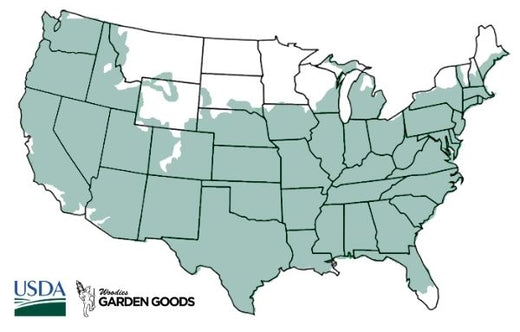
| Hardiness Zone: | 5-9 |
|---|---|
| Mature Height: | 15 to 25 Feet |
| Mature Width: | 15 to 25 Feet |
| Sunlight: | Full sun to part shade; best with morning sun and afternoon shade in warmer climates |
| Bloom Time / Color | Early to mid spring; large white bracts surrounding small true flowers |
| Soil Condition: | Moist, well-drained, slightly acidic soil rich in organic matter |
| Water Requirements: | Moderate; keep evenly moist during establishment, then water during heat and dry spells |
| Wildlife Value | Supports pollinators in bloom and birds with red fruit later in the season |
| Resistance (deer/disease/drought/etc.) | Some drought tolerance once established; may face dogwood disease issues if stressed; deer browsing can occur |
| Landscape Uses | Specimen tree, woodland edge, foundation view, front yard accent, native garden, wildlife planting |
How to Care for Cherokee Princess Dogwood
Be sure to read our planting instructions to ensure a healthy and happy Cherokee Princess Dogwood for years to come!

How should I plant Cherokee Princess Dogwood?
Plant Cherokee Princess Dogwood in a spot with well-drained soil and enough room for its mature canopy to develop naturally. Morning sun with afternoon shade is especially helpful in warmer parts of its range, and spacing it at least 15 to 20 feet from nearby trees, structures, or large shrubs will help preserve airflow and its layered branching habit. Dig a hole two to three times as wide as the root ball but no deeper than the root ball itself, keeping the root flare at or slightly above grade. Backfill with native soil, water deeply to settle the roots, and add a two- to three-inch mulch layer around the planting area while keeping mulch pulled back from the trunk. Avoid piling soil or mulch against the base, since dogwoods are sensitive to poor drainage and trunk stress.

How often should I water Cherokee Princess Dogwood after planting?
Water deeply and consistently during the first growing season so the root system can establish without drying out. A newly planted Cherokee Princess Dogwood usually benefits from deep watering once or twice a week, depending on rainfall, temperature, and soil type, with the goal of keeping the root zone evenly moist but never soggy. After establishment, this dogwood becomes more adaptable, but it still performs best when it does not go through repeated drought stress. During hot weather or extended dry periods, a slow deep watering is better than frequent shallow irrigation. Keeping a mulch ring over the root zone helps retain moisture and reduces stress, especially in sunnier locations or during summer heat.

When should I fertilize Cherokee Princess Dogwood?
Fertilize Cherokee Princess Dogwood lightly in early spring if the soil is poor or if the tree appears to need a boost in vigor. A balanced, slow-release fertilizer formulated for trees and shrubs is usually enough, and many established dogwoods in organically enriched soil may need very little supplemental feeding. Avoid heavy applications of high-nitrogen fertilizer, because too much lush growth can come at the expense of flowers and overall balance. Compost or leaf mold around the root zone can also help support long-term soil health. The best approach is steady, moderate nutrition paired with good soil drainage and even moisture rather than aggressive feeding.

When and how should I prune Cherokee Princess Dogwood?
Prune Cherokee Princess Dogwood in late winter or very early spring before growth begins if you need to remove dead, damaged, or crossing branches. This light structural pruning helps preserve the tree’s natural form and improves airflow through the canopy, which is especially helpful for long-term health. Because flowering dogwoods bloom on older wood, heavy pruning can reduce the spring flower display. Keep pruning selective and minimal, focusing on cleanup and branch correction rather than reshaping the entire tree. If a small amount of cosmetic shaping is needed after flowering, keep cuts modest so the tree maintains its graceful, layered silhouette.