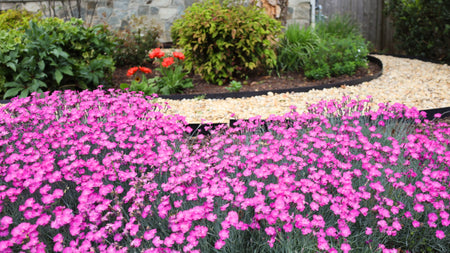
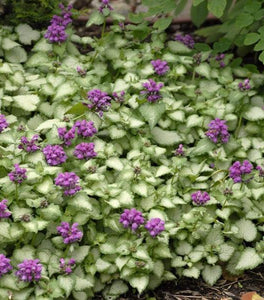
Images Depict Mature Plants
Blue Star Creeper
Isotoma fluviatilis
Blue Star Creeper is one of those groundcovers I particularly like because a small plant can make an enormous difference in the finished appearance of a landscape. The tiny, pale blue flowers look like little stars scattered across a carpet of green, and the foliage stays so low that it's perfect for softening the edges of stepping stones and garden paths. I especially like using it where homeowners want a flowering alternative to bare soil or small patches of grass, but I always remind people that it isn't intended for heavy foot traffic. Give it good drainage, steady moisture during establishment, and enough sunlight to encourage flowering. The other thing I recommend is keeping an eye on those spreading stems. A little edging goes a long way toward keeping Blue Star Creeper looking polished and intentional rather than allowing it to wander into neighboring beds.

15% Off Sitewide Sale!
Use Code 'SEASON15' At Checkout
📦 Free shipping on orders over $99.
Delay shipping by leaving us a message at Checkout.
Share:



A Beautiful Blue Flowering Groundcover for Stepping Stones and Garden Pathways
Delicate Blue Star-Shaped Flowers Create a Beautiful Living Carpet
Blue Star Creeper brings a charming combination of colorful flowers and lush foliage to garden spaces where traditional perennials may be too large. Botanically known as Isotoma fluviatilis, this low-growing flowering groundcover produces hundreds of tiny, pale blue to blue-lavender flowers above a dense mat of bright green leaves. Each blossom features a distinctive five-pointed, star-like shape, creating a beautiful scattering of blue color that appears to float just above the foliage. The flowers are small individually, but when planted in groups, they produce an attractive display that transforms ordinary garden spaces into colorful landscape features.
Unlike tall flowering perennials that need room to develop, Blue Star Creeper remains exceptionally low, making it ideal for stepping-stone pathways, garden edging, rock gardens, and small lawn-alternative areas. Its fine foliage creates a neat, carpet-like texture that softens the appearance of stone, brick, and concrete without hiding the surrounding landscape. For homeowners looking for a low-growing blue-flowering groundcover, Blue Star Creeper offers a beautiful combination of delicate flowers, attractive foliage, and practical landscape versatility.
One of the Best Groundcovers for Stepping Stones and Pavers
Blue Star Creeper is especially valuable in landscapes featuring stepping stones, decorative pavers, and informal garden walkways. Its slender creeping stems spread outward and develop roots as they contact suitable soil, gradually filling the narrow spaces between stones with a soft, low carpet of green foliage. Unlike taller plants that can spill heavily onto walkways, Blue Star Creeper maintains a relatively flat appearance, allowing the stones themselves to remain visible. When its pale blue flowers appear, even an ordinary stone pathway becomes a beautiful garden feature.
One reason Blue Star Creeper performs so well in these locations is its tolerance for occasional light foot traffic once established. This makes it useful along pathways that receive casual use, especially where larger stepping stones carry most of the walking pressure. The plant is not intended to withstand the constant wear of a heavily used lawn or recreational area, but it works beautifully where homeowners want to replace bare soil or gravel joints with living greenery. For a polished appearance, plant Blue Star Creeper between appropriately spaced stones and allow the foliage to gradually create a connected green carpet.
Exceptionally Low Growth for a Beautiful Lawn Alternative
One of Blue Star Creeper's most attractive characteristics is its extremely low mature height of approximately 2 to 3 inches. Its small green leaves create a dense carpet that spreads outward rather than growing upward, making it useful in places where mowing traditional grass would be difficult or inconvenient. Under favorable growing conditions, individual plants can spread approximately 12 to 24 inches wide, with rooted runners continuing beyond that range if left uncontained. This spreading habit allows multiple plants to gradually join together into an attractive, continuous groundcover.
Blue Star Creeper is an excellent choice for small lawn-replacement areas, decorative courtyards, narrow landscape strips, and garden edges. Because it remains so low, regular mowing is generally unnecessary. However, homeowners should understand that it is best suited to ornamental spaces with light traffic rather than large lawns intended for recreation. It also requires occasional edging to prevent the creeping stems from entering neighboring planting areas. Used in the right location, Blue Star Creeper can create an attractive green surface with the added benefit of delicate blue flowers during the growing season.
Pale Blue Flowers Add Color from Spring into Summer
Blue Star Creeper begins producing its delicate flowers during spring, with blooming generally continuing into summer. The small, pale blue to blue-lavender, star-shaped blossoms appear throughout the green foliage, creating a soft wash of color across the planting. In milder climates, occasional flowers may continue later into the growing season when moisture and temperatures remain favorable. This extended flowering potential makes Blue Star Creeper particularly appealing to homeowners who want a low groundcover that offers more than just green foliage.
The flowers are especially attractive when planted near natural stone, where the pale blue petals contrast with gray, tan, and warm earth-colored surfaces. They also combine beautifully with purple-flowering perennials, yellow foliage plants, and dark green evergreens. When Blue Star Creeper is planted in groups, the small individual flowers create a unified display that can be appreciated from across the garden. For the strongest flowering performance, provide adequate light and reasonably consistent moisture, particularly during the spring and early summer blooming period.
Fine Green Foliage Softens Borders and Complements Other Plants
Blue Star Creeper produces small, narrow-to-rounded green leaves that develop along its creeping stems. Although the foliage is delicate in appearance, established plants can form a surprisingly substantial mat that covers exposed soil and creates a visually continuous surface. This fine-textured green groundcover works particularly well at the front of mixed perennial borders, around larger ornamental plants, and along garden edges where a low, tidy finish is desirable.
The foliage also provides contrast with broad-leaved perennials such as Hostas, Heuchera, and Brunnera. In rock gardens, its small leaves soften the appearance of decorative stones and help connect separate planting pockets. Where winter temperatures remain mild, Blue Star Creeper may maintain much of its green foliage throughout the year. In colder climates, it can become semi-evergreen or partially dormant during winter, with new growth returning as temperatures warm. This combination of fine leaves and seasonal flowers gives Blue Star Creeper ornamental value beyond its briefest bloom periods.
Excellent Performance in Sun and Part-Shade Gardens
Blue Star Creeper performs well in full sun to partial shade, although the ideal exposure depends on summer temperatures and available soil moisture. In cooler growing regions, the plant can tolerate more direct sunlight when the soil remains adequately moist. In warmer climates, morning sunlight with some afternoon shade helps reduce drying and maintain attractive foliage. Although Blue Star Creeper can grow in partially shaded locations, flowering may become less abundant where light levels are very low.
For the healthiest growth, plant Blue Star Creeper in moist but reasonably well-drained soil. The species naturally occurs in moist environments, but established landscape plants also benefit from adequate drainage around the root system. Water regularly during the first growing season, then provide supplemental moisture during extended periods of hot or dry weather. While established plants may tolerate occasional short dry periods, they should not be treated as equivalent to highly drought-tolerant groundcovers such as Creeping Thyme. Consistent moisture is particularly important when growing Blue Star Creeper between pavers, where small soil pockets can dry quickly.
A Low-Maintenance Groundcover That Spreads and Fills Empty Spaces
Blue Star Creeper is relatively easy to maintain once established in an appropriate location. Its creeping stems root as they spread, gradually filling open soil and creating the dense foliage carpet that makes this plant so desirable. When planted approximately 8 to 12 inches apart, individual plants can grow together more quickly, providing attractive coverage along pathways and garden edges. For larger projects where immediate coverage is less important, wider spacing can reduce the number of plants required.
Because Blue Star Creeper spreads readily under favorable conditions, regular edging is important when a clearly defined planting area is desired. Use stone borders, landscape edging, or occasional trimming to prevent runners from entering neighboring beds. After a heavy flowering period, a light shearing can refresh the foliage and help maintain a uniform appearance. With proper placement, suitable moisture, and periodic containment, Blue Star Creeper delivers a beautiful, low-maintenance flowering carpet that adds lasting character to pathways, patios, and perennial gardens.
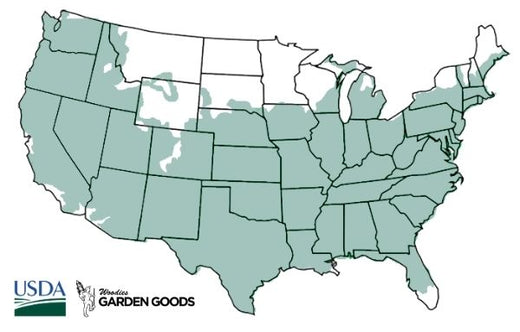
| Hardiness Zone: | 5-9 |
|---|---|
| Mature Height: | 2 to 3 inches |
| Mature Width: | 12 to 24 inches; runners may extend farther |
| Sunlight: | Full sun to part shade; afternoon shade beneficial in hotter climates |
| Bloom Time / Color: | Spring into summer (often longer in mild climates); Pale blue to blue-lavender, sometimes nearly white |
| Soil Condition: | Well-drained; tolerates average soils; prefers consistent moisture |
| Water Requirements: | Moist, moderately fertile, well-drained to occasionally wet soil |
| Wildlife Value | Small flowers may attract bees and other flower-visiting insects |
| Resistance | Relatively deer resistant; not deer-proof |
| Landscape Uses | Stepping-stone paths; paver joints; edging; rock gardens; lawn-alternative areas; small borders; containers |
How to Care for Blue Star Creeper
After purchasing your Blue Star Creeper, be sure to read our care instructions to ensure this perennial groundcover is happy and healthy for years to come.

How should I plant Blue Star Creeper?
Plant Blue Star Creeper in full sun to partial shade, selecting a location with moist but well-drained soil. In hotter regions, morning sunlight and afternoon shade are especially beneficial for maintaining healthy foliage. Prepare the planting area by removing weeds and loosening the upper few inches of soil. Dig a hole slightly wider than the root ball and position the plant so the crown remains level with the surrounding soil. Gently backfill and water thoroughly to settle the roots. For relatively quick ground coverage, space Blue Star Creeper plants approximately 8 to 12 inches apart. When planting between stepping stones, make sure the planting pockets contain enough soil to support root growth and that the stones carry most of the pedestrian traffic. Avoid covering the young foliage with heavy mulch, which can interfere with spreading. Define the planting area with edging if you want to prevent the plant from moving into neighboring beds.

How often should I water Blue Star Creeper after planting?
Water Blue Star Creeper thoroughly immediately after planting, then maintain consistent moisture while the root system becomes established. Check the upper inch of soil regularly and water when it begins to dry. This is especially important for plants growing between pavers, where shallow soil pockets may lose moisture more quickly than open garden beds. Water gently to avoid disturbing young roots or washing soil away from the planting area. Once established, Blue Star Creeper tolerates occasional short periods of dryness but generally looks best when soil moisture remains reasonably consistent. During prolonged summer heat, supplemental watering may be necessary to prevent thinning foliage or browned patches. Although the plant naturally grows in moist habitats, good drainage is still beneficial, particularly during winter. Avoid allowing the planting area to alternate repeatedly between severe drought and prolonged saturation.

When should I fertilize Blue Star Creeper?
Blue Star Creeper generally requires very little fertilizer when grown in moderately fertile garden soil. A light application of compost or balanced slow-release perennial fertilizer in early spring can support fresh foliage development and spring flowering. Follow the manufacturer's application instructions and avoid placing concentrated fertilizer directly against the small crowns. Because Blue Star Creeper naturally spreads to form a dense groundcover, excessive fertilization can encourage growth that requires more frequent trimming. Heavy nitrogen applications are unnecessary in most situations. Maintaining suitable sunlight, adequate moisture, and good soil conditions is generally more important than frequent feeding. For plants growing in small containers, occasional light fertilization may be beneficial during active growth.

When and how should I prune Blue Star Creeper?
Blue Star Creeper requires minimal routine pruning because its naturally low growth habit eliminates the need for regular mowing. After the main flowering period, lightly trim or shear the foliage to remove spent flowers and encourage a fresh, uniform appearance. Avoid cutting severely into the plant during excessively hot or dry conditions, since this may slow recovery. During the growing season, trim runners that spread beyond the intended planting area. When the stems have already rooted into neighboring soil, remove the unwanted rooted sections rather than cutting the foliage alone. In colder climates, clean up winter-damaged growth in early spring as fresh leaves begin emerging. Occasional edging is usually the most important maintenance step for keeping Blue Star Creeper attractive along paths and borders.