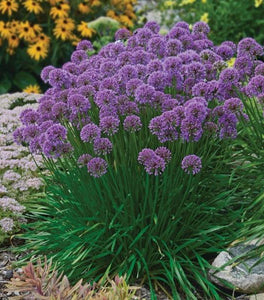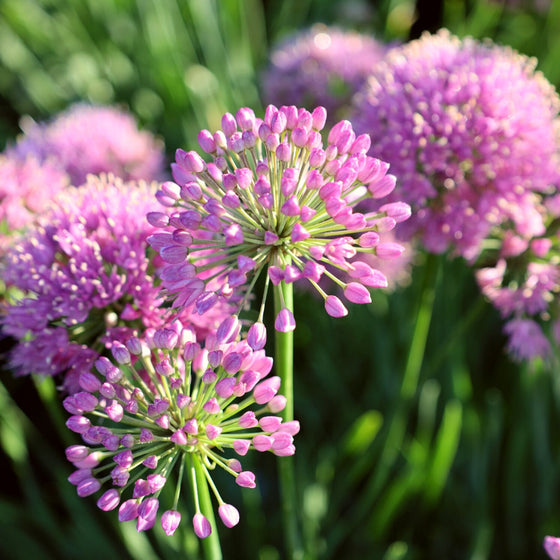
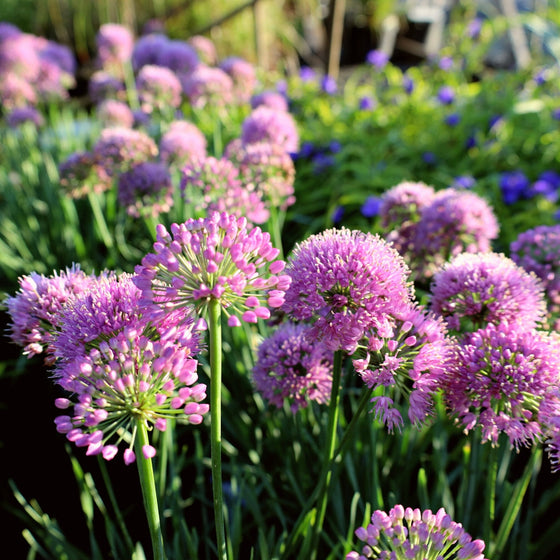
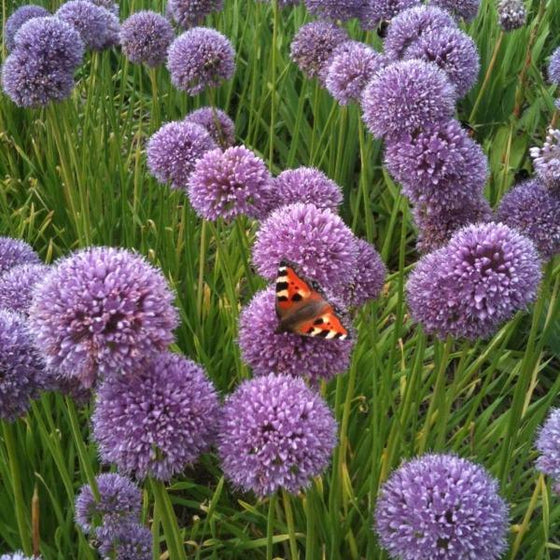
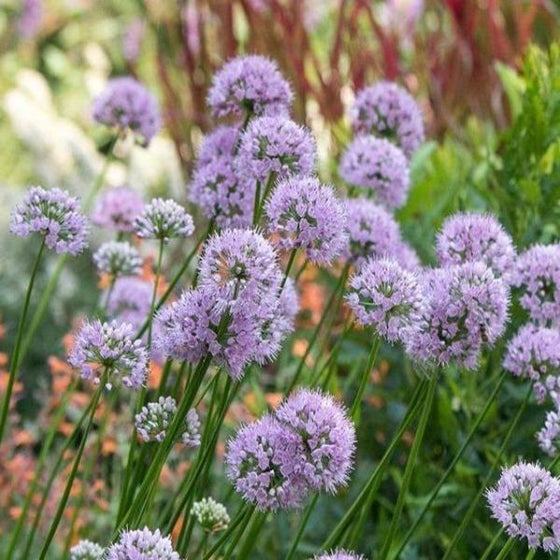


Images Depict Mature Plants
Summer Beauty Allium
Allium lusitanicum 'Summer Beauty'
Summer Beauty Allium is one of the easiest alliums to use well because it gives you clean foliage, lavender summer flowers, and a tidy clump that behaves in the garden. I like it repeated along sunny borders where the round blooms can float above catmint, salvia, coneflowers, and ornamental grasses. The big advantage is that it does not have the messy foliage problem of many spring bulb alliums, and the sterile habit keeps it from seeding all over the bed.

15% OFF SITEWIDE SALE, USE CODE 'FALLPREP15'
📦 Free shipping on orders over $99.
Delay shipping by leaving us a message at Checkout.
Share:Recommended Add-Ons


Summer Beauty Allium Brings Lavender Globe Blooms to Sunny Gardens
Soft Lavender-Pink Globes for Summer Color
Summer Beauty Allium is a long-blooming ornamental onion with rounded lavender to lavender-pink flower globes that rise above tidy green foliage in summer. The blooms have a softer color than many dark purple alliums, making them easy to blend into sunny borders, cottage gardens, pollinator plantings, and mixed perennial beds. They add that clean, globe-shaped “designer” look without feeling stiff or oversized.
Because Summer Beauty blooms in summer rather than only in spring, it helps extend the allium season after many large bulb alliums have finished. The flowers bring structure, repetition, and movement to the garden, especially when planted in groups. Use it where the rounded blooms can float above lower perennials, creating a polished rhythm through the border.
Clean, Glossy Foliage That Stays Useful
One of Summer Beauty Allium's biggest strengths is its foliage. Unlike many spring-blooming alliums, which can have fading or messy leaves by bloom time, Summer Beauty forms a tidy mound of narrow, glossy green foliage that stays attractive through much of the growing season. That makes it easier to use near the front or middle of the border where foliage quality matters.
The leaves have a mild onion scent when crushed, which is part of why deer and rabbits typically avoid the plant. The foliage can also turn golden in fall, adding another subtle seasonal note before dormancy. Even when the plant is not blooming, the clump helps fill space cleanly and provides texture among broader-leaved perennials.
A Pollinator-Friendly Perennial for Sunny Borders
Summer Beauty Allium is a strong choice for homeowners who want more bees, butterflies, and beneficial insects in the garden. The rounded flower clusters provide nectar during the summer bloom window, helping keep pollinator activity going when many spring flowers have already finished. Planting several together creates a stronger visual effect and a better landing zone for pollinators.
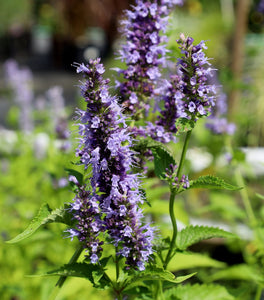
Pair Summer Beauty with coneflowers, black-eyed Susans, catmint, salvia, yarrow, agastache, sedum, lavender, ornamental grasses, and other sun-loving perennials. Its lavender-pink flowers work especially well with purple, blue, yellow, white, and soft orange companions. It also makes a good cut flower, and the dried seedheads can be left standing for extra texture.
Deer-Resistant Color That Behaves in the Garden
Summer Beauty Allium is generally considered deer-resistant and rabbit-resistant due to its onion-scented foliage. No plant is completely deer-proof, but ornamental onions are among the better flowering perennials for landscapes where browsing pressure is a concern. This makes Summer Beauty useful in front-yard borders, sunny foundation plantings, and mixed perennial beds where homeowners want reliable color with less worry.
Another important advantage is its sterile habit. Summer Beauty is commonly described as a sterile cultivar, so unwanted reseeding is not usually a concern. The plant slowly increases by clump growth instead of spreading aggressively from seed, making it easy to use in repeated drifts, mass plantings, edging, and designed perennial combinations.
Low-Maintenance Performance in Sun and Well-Drained Soil
Summer Beauty Allium performs best in full sun to part sun with well-drained soil. It is drought-tolerant once established and does not need rich soil or heavy fertilizer to perform well. In fact, good drainage and steady sun are more important than pampering. Plant it in average, sandy, lean, or well-drained garden soil and avoid wet, heavy sites that stay soggy.
Maintenance is simple. Water regularly during the first season while roots establish, then water deeply during extended dry spells. After bloom, you can remove spent stems for a cleaner look or leave the dried heads for texture. Let the foliage remain until it yellows naturally, then trim it back. If clumps become crowded after several years, divide them to refresh the planting and create more plants.
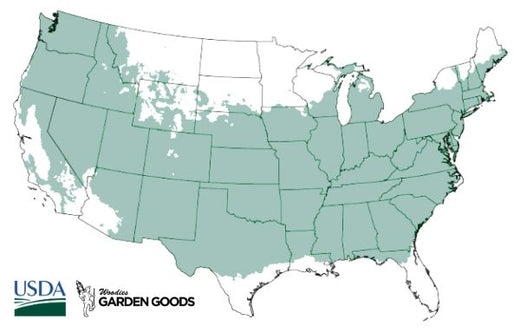
| Hardiness Zone: | 5-8 |
|---|---|
| Mature Height: | 15 to 24 inches |
| Mature Width: | 12 to 18 inches |
| Sunlight: | Full sun to part sun; blooms best with at least 6 hours of direct sun |
| Soil | Well-drained soil; tolerates average, sandy, lean, and dry soils once established |
| Water | Water regularly after planting; drought tolerant once established |
| Bloom Time / Color | Summer, often July to August; lavender to lavender-pink globe-shaped flowers |
| Foliage: | Glossy green, narrow, strap-like foliage with a mild onion scent when crushed |
| Ornamental Features | Lavender-pink globe blooms, clean foliage, clump-forming habit, long bloom season, attractive dried seedheads |
| Wildlife Value | Attracts bees, butterflies, moths, and other beneficial pollinators |
| Resistance | Generally considered deer resistant, rabbit resistant, drought tolerant once established, and low maintenance |
| Landscape Uses | Pollinator gardens, sunny borders, cottage gardens, edging, mass plantings, rock gardens, cut flower gardens, containers, low-water landscapes |
How to Care for Summer Beauty Allium
aBe sure to read our planting instructions to ensure healthy and happy Summer Beauty Allium for years to come! for years to come!
-v1746194060758.png?92x91)
How should I plant Summer Beauty Allium?
Plant Summer Beauty Allium in full sun to part sun with well-drained soil. Choose a location that receives at least 6 hours of direct sun per day for the strongest flowering and best clump habit. Avoid low, wet areas where water sits after rain, especially in winter. Dig a hole about twice as wide as the root ball and set the crown level with the surrounding soil. Backfill gently, water deeply, and mulch lightly without burying the crown. Space plants about 12 to 18 inches apart for borders, edging, containers, or mass plantings.
-v1746194089077.png?89x84)
How often should I water Summer Beauty Allium after planting?
Water Summer Beauty Allium deeply after planting and keep the soil lightly moist during the first growing season while roots establish. Check the soil during hot or dry weather and water when the top few inches begin to dry. Good drainage is important, so avoid keeping the soil constantly wet. Once established, Summer Beauty becomes drought-tolerant and usually needs less supplemental water than many flowering perennials. During extended heat or drought, water deeply and then allow the soil to dry slightly between waterings. Container-grown plants may need water more often than plants in the ground.
-v1746194106944.png?90x89)
When should I fertilize Summer Beauty Allium?
Fertilize Summer Beauty Allium lightly in spring if the soil is poor or growth appears weak. In most garden beds, a thin layer of compost or a modest application of balanced slow-release fertilizer is enough. This plant does not need heavy feeding to bloom well. Avoid high-nitrogen fertilizer, which can encourage soft foliage growth at the expense of strong flowering stems. Summer Beauty performs best with sun, good drainage, moderate fertility, and room for the clump to develop naturally.

When and how should I prune / cut back Summer Beauty Allium?
After bloom, remove spent flower stems for a cleaner look, or leave the dried flower heads standing for ornamental texture. The seedheads can add structure after the flowers fade and are useful in dried arrangements. Wait to cut back the foliage until it yellows and declines naturally. Healthy green foliage helps feed the plant for the next growing season. Once the leaves have faded, trim them back near the base. Divide crowded clumps in spring or early fall if flowering declines or the planting becomes too dense.